
Last week, I had the opportunity of rounding out the interviews with "my guys" when
Michael Worth called in. After a run in with the "ticket lady" and couple of recording errors, we ended up having a really great conversation and I even managed to get in a few questions (surprise surprise).

Not only that but I found out that he has a pet crow... and it talks! Toward the end of the interview, I could hear the crow, Moki, yelling "Wow" in the background. Hysterically funny and very cute. (Sorry Mike, had to steal the Moki pic) Come to find out, Michael is an animal lover who has rescued everything from mules to squirrels to little Moki which just goes to show that not only is he a great filmmaker but he's also a very caring person with a kind heart (I already knew that though).
TC: You got your start in 1992 with a few martial arts films. What was that like?
MW: It’s funny because I’m kind of addressing this a little bit in [stupid recording cut out] and now
Bring Me the Head of Lance Henriksen and that is… that I’ve been doing martial arts since I was a little kid and it’s completely separate from my film career. It’s like a lot of actors out there play football their entire life or they play soccer all their life but they don’t become soccer actors or football actors. What happened with me was that I was lucky enough to sort of move out of it. My introduction to leading roles were in these sort of low budget martial arts films. As soon as you do one and somebody sees you have a talent for something they hire you to do a bunch more and as a starving actor you gotta take these roles as they come. The first group of films I did when I got here were like three or four back to back for the same company. I was able to use the martial arts to get me into making films but then I just didn’t wanna go that route, it wasn’t really interesting to me. I started doing guest spots on tv shows and playing different characters so all of a sudden I wasn’t gonna be the next martial arts action hero because that was never of interest for me to do. And right now in Bring Me the Head of Lance Henriksen I’m adding a character that I’m playing myself who’s dealing with that issue.
TC: I’ve seen you tweet a lot about
Bruce Lee. Is he kind of a mentor or iconic figure for you?
MW: For a lot of kids, especially when they get involved in martial arts, he was such a… my own father, who I loved very much and he’s not here anymore, my parents were separated at a very young age and you tend to find that missing father figure at times and for me it was Bruce Lee. He motivated me to, not just do martial arts but to go after my goals. There was just so much to him philosophically that, as a kid, it was what I needed.
TC: Jabberwocky is a new film that you’re doing with
Steven R. Monroe. Can you tell me a little about that?
MW: I’m not sure exactly when it takes place. It’s a medieval period film and takes place in sort of a mythical land. It’s got a great group of characters that all live in this village and they’re dealing with this creature that even for them is kind of mythical. It’s not like they have Jabberwockies walking through town every day.
TC: Is that gonna be a
SyFy movie?
MW: Yeah that was made in conjunction with the SyFy channel. When I came on board… I got called in like 2 days before filming began. Steven called me on a Friday and said
“Hey we’re shooting in Bulgaria do you wanna come be in this movie?” Steven is one of those directors that’ll call me up and say
“Hey I got a movie for ya”. I didn’t know what it was I would just say yes anyway because he’s someone I trust and he’s got a real integrity to him in terms of making films. I know he’s not there to just try and make a buck and walk his way through a film. He’s actually trying to make something good out of it. So I just said
“Yeah, I love Bulgaria, I love you so I’m on my way.” I actually read the script for the first time somewhere over the ocean on my way to Bulgaria. I didn’t even know what I was playing. I could’ve been a frog for all I knew.
TC: When I talked to Steven last he was telling me about
Left in Darkness and how you were kinda apprehensive about spending three hours in makeup.
MW: Oh yeah because I’d done
Buffy the Vampire Slayer a few times and I remember that… it’s one thing if you’re going to play the lead in this film, it’s this great intense character, I’ll wade through some intense makeup for four or five hours but our guy was like come on out and it was more of like a co-star coming out and playing
Monica Keena’s dead step-dad and I had to put that makeup on and I was like
“Oh God, but once again, for you Steven, alright let’s go.” And
Corey is another one. The first time I worked with him directly was when we did
Dual, a little independent western that Steven and I did, he was just… the music in that movie just blew me away. He really put himself into it. Both Steven and I, whenever we do projects, he’s always the first guy that jumps in our heads to try and get involved. All of us kind of come from this idea that if we’re gonna do something… I mean the truth is that it’s gonna be around forever so why just half ass it? The second I start half assing anything in this business I’m gonna become a construction worker or something. Why bother doing it? Stop and you think about when you were a kid… for me it was like I would’ve worked for the rest of my life for free to be able to make movies. Now that I’m doing it, I don’t ever wanna lose that. The second I find myself being like [whines]
"nah, nah, nah" I’m gonna slap myself.
TC: Aside from the SyFy films that you’ve done, do you do a lot of work in the horror genre?
MW: Yeah, I don’t know if you’ve seen Dual yet but if you get a chance you should take a look at it. So far, that has been my only entry into anything close to being horror. But the reason I did it was because I wanted to take a western and make it a thriller/horror at the same time. I don’t mean that in a sort of convoluted sense though. I certain films coming out and I think there’s this sort of convoluted idea of
“let’s put this together because it’s gonna sell” rather than
“let’s find an interesting way to tell a genre.” David Mamet was once saying to me about telling a story… he said
“The greatest thing is [stupid recording cut out AGAIN] find new ways of telling a genre.” I thought, there’s something to truthful to that because why remake
The Good, The Bad and The Ugly over and over and over again. We all love that movie but what’s interesting about trying to repeat something? For me, when I did Dual I was trying to blend the two elements together. Truthfully I’ve been waiting to be inspired to make a really, really good one. It just hasn’t hit me yet. Dual is a little Indie film, like
God’s Ears, they were made for roughly the same amount of money and those are the two films out of everything I’ve done in this business that I’m most proud of and aside from Bring Me the Head of Lance Henriksen, they’re probably the least expensive movies I’ve made which is an example to me of how one can make important movies without having to have millions and millions of dollars.
TC: Would you agree that most of the more unique ideas are coming from Indie Films these days?
MW: Yeah I think that’s true. Today there’s this thing where the cameras used to shoot are getting less and less expensive and there’s a lot of filmmakers that think…
"ahh, now I can make my movie because the camera is cheaper to rent." The camera is such a small micro element of making a film that a lot of people lose sight of what it really takes to make a good film. It’s not like a painting where you have one artist and a canvas. It’s a collaborative art form. You have writers and directors and set designers and score and actors and all these different people that have to be on the top of their game. So, for me, when I watch a movie and it doesn’t really appeal to me, I’m not one of these people that will say
“Oh God, I can’t believe that made this piece of crap.” Because I know for the most part and sometimes this isn’t gonna be true but, for the most part, most people are trying to make a good film. I’ve made some films where I was trying to make a good film and it didn’t quite work. But I really was trying. There are a lot of films out there where people were trying to make something good and it just didn’t work out. But, there are a lot of Indie’s that are successful because they take more risks. Not stupid risks but risks that they believe is gonna benefit the audience. You might fail but people will say
“that didn’t really work but I can kinda see what he was trying to do.” With Indie films there is this balance that you need to find because you have the Indie films that make very little money and then you’ve got these gigantic hundred million dollar studio films. It’s really hard to find something in between. When you make these hundred million dollar movies you’re now in a spot where you can’t take any risks because if you do then you might lose your money. Some people can take more risks if they’re making a film for a hundred thousand dollars or so then they can in the larger productions.
TC: Now you do a lot of work with the same actors…
MW: For me, I can’t really speak for Steven but for me, when I do films you do develop a chemistry with some people in real life. The reason I’m using these people isn’t because I have some distributor coming up and saying
“We want these people in there.” I’m using them because I love them and I think they’re great. We get on set and we like a shorthand of sorts. I just mumble something and they go
“Oh I know what he wants.” It’s the same with Steven. I know Monroe and when I come as an actor on one of his films he just has to throw out one sentence and I get exactly what he wants me to do.
TC: God’s Ears kind of shows your passion for film and that film really blew me away. How hard is that, writing, directing and acting in a film?
MW: I learned a lot making that movie because I had just come off of writing all of these SyFy, genre specific movies, which I love and it’s great but I was ghost writing. There’s a good half dozen films that were for SyFy for
Lifetime that I was ghost writing on. I was so used to having people come and say
“here’s step number one, here’s what’s happening in step number two, here’s formula number three” and it was like… what about the old days? People use to write projects because they had some idea that grew out from inside them that affected them because it was part of their lives not because it was part of the formula. So when I wrote God’s Ears it was completely, 100% going against any formula. I didn’t wanna think about the first act, the set up, the foreshadowing, nothing. I just wanted to make a movie that I felt really strongly about. It has been, in terms of the audience anyway, the most satisfying project I’ve ever been involved with. I’ve watched it affect and touch people in a way nothing I’ve ever done has before. I’m not saying it was me, I’m just saying that I think by sticking to that methodology of doing something from the heart rather than from the playbook.
TC: Is Autism something that has affected your personal life in any way?
MW: Not in my personal life but because I knew people… when I started writing the script I had already, not in my family, but I had already known people with Autism and people in the industry and stuff. And I’d watched it and sometimes we get involved in our own lives and we’re like
“ah damn, I didn’t make as much money as I wanted to on this job” and we’re whining. Then sometimes you look at someone else and you go
“look what they have to deal with every moment”. I don’t know how much I should be complaining in life when I look at certain people and see what they have to go through every day. Making that movie was, in a sense, self reflective of that. I wanted to make a movie that reminds people… what are we complaining about? Here’s a character that has way more than we ever have to deal with and he’s going through life just fine and he’s finding his way. So yeah, it did touch me personally but not necessarily in my family or anything like that.
TC: What role did
Kerry Connelly have in God’s Ears as far as how your character acted or reacted in certain situations?
MW: Kerry’s family had been investors in Dual, the film I did with Steven Monroe,
Tim Thomerson and
Karen Kim in 2007 so I met her through that. My experience with Autism was through her and her work so I brought her on to the project so I could keep it authentic. One thing I didn’t wanna do is play a character. I didn’t want to go in and my acting was based on like ticks or things that I perceived watching people have. I really wanted to get her very intimate knowledge of how these people actually think, the best that we know this, and proceed in life. She actually stayed involved in the project from beginning to end to sort of keep me in that truth.
TC: I have a friend who has a high functioning Autistic son and every time I’ve seen God’s Ears, he’s the one person that always comes to mind.
MW: It’s really great to hear that because one of my goals was not to make the character, Noah Connelly, as being too unreachable for people. Sometimes you see films where they portray someone that’s, let’s say Autistic, and it’s so extreme that you can only sit back from a distance and watch them AS a character in a sense. So that’s something that I wanted to get across with the character is that he goes through the same things that we all go through. I’m really glad that you had that reaction.
TC: I’m a huge fan of
Henriksen and Thomerson so I’m really excited for Bring Me the Head of Lance Henriksen.
MW: I don’t know how the film is gonna turn out but one thing that I can say with certainty is you’ve never seen either of them like they are in this movie. The two of them together are just hilarious. Lance is one of the funniest people you’ve ever seen. He’s use to playing the intense brooding characters but this time he’s breaking that mold. He’s actually out goofing Tim. It’s really funny. We might shoot a little bit tomorrow night over in Burbank for Lance’s signing because there’s a scene in the movie where… what I’m trying to do… the reason I even made this movie in the first place is that I’m trying to weave reality into this fictional film. Where almost everything that happens in the film, even though there’s sort of a fictional line in the movie, it takes place during real events. In other words there are real things happening in the course of this so it’s all blended together.
TC: What gave you the idea to do this film?
MW: I’m one of these guys that don’t like the idea of just walking through my career or life trying to repeat myself or trying to do what’s marketed at me. That’s not why I became a filmmaker. I wanted to use it as a means like a painter would. A painter doesn’t say
“today the market wants a painting of the Mona Lisa so I’m gonna paint the Mona Lisa”. They go out and they get inspired by a tree or a rock and they paint it. For me, that’s why I make films. Granted, you gotta make money sometimes but Bring me the Head of Lance Henriksen came about because I was inspired by what I saw around me with people like Tim and Lance. Particularly it was a lot of the things that these actors go through in their careers. I thought it was a great way to focus on a movie about a character who has had a career then all of a sudden finds… wait a minute, what is going on with this career? Is it changing? Is it me changing? Are the people changing? Is it just getting old?... and utilizing that. All of the stories that weave in and out of this movie are mostly real stories. There’s a lot of things that the characters, everyone from
Cerina Vincent, Tim Thomerson and
Adrienne Barbeau, it’s all including, bring to this sort of fictional narrative, real life things that actually happen to them. It’s really fun.
TC: Do you remember one specific story from either Lance or Tim that had you rolling or touched you in a way?
MW: Those two have a lot of stories! I’m trying to get them to tell as many of them as possible on camera. Some of them they have to be careful because they’re talking about other people. As long as they’re positive it’s ok. Tim has a lot of great stories and I always pick on him… the funniest thing is getting them to tell stories about each other. Tim always tell this story about being on the set of
Near Dark and Lance and
Bill Paxton were like wrapped up in their vampire rolls and he was scared of them all the time because they were so weird on the set.
TC: How much longer do you guys have to shoot on that?
MW: Well I’m cutting a version of it now and it’s gonna give me an idea of what I have left to shoot. I know I have a couple of scenes left to shoot, I’ve got this scene with Tim crashing a casting session because of a movie that’s a sequel to a movie he made a long time ago and he finds out he’s not in is so he’s trying to figure out how to get into the project. I’ve also got a scene where there’s a party being thrown at someone’s house, kind of a reunion for everyone that was in
Sasquatch Mountain. Other than that, that’s all I know that I’ve got left to shoot. As I cut the film it gives me a better idea of what I’m missing.
TC: Do you have an approximate release date for it?
MW: No, I don’t know that yet but I’ll probably have everything shot by the end of this month and then my guess is, with editing, it’s possible I could have it done and going into festivals as early as August or September. Maybe even July.
TC: I also heard that you had a little brush with being Robin in
Batman Forever?
MW: I went in to read for… well I didn’t even know what I was reading for because they were just sort of secretive about it. They were cruising video game places and boxing gyms to look for somebody to play Robin. And I happened to get in through a boxing instructor, a guy named
Jerry Poteet. Before I knew it I was meeting with
Joel Schumacher to screen test for the film and signing contracts. It was me,
Chris O’Donnell and one other guy that were up for the lead. Of course they went for Chris and he did a great job. It was funny because after I didn’t get the part, they called me up later and asked me if I’d play his brother. I was in Hawaii at the time shooting an episode of
Marker so I couldn’t come back. When I got back they asked if I wanted to at least fight Robin so I said yes. An old friend of mine,
Don “The Dragon” Wilson was in the scene so we got to hang out for a week. It was a lot of fun.
TC: What influence did your Mom have on the career path that you took?
MW: When I was a kid, I wanted to make movies so badly so my Mom took me to a camera store and they had these old cameras and I went up the owner and started bargaining with him. I think that he was so taken by this 11 year old kid trying to haggle with the prices that he ended up selling to me for like $25 instead of $40 or something like that. That started my passion for making movies.
TC: And the first film you shot with this camera was ‘The Tire’?
MW: Oh yes! The Tire which was recently stolen and made into a movie called
Rubber. [laughs] That was my movie as a kid. It was about a killer tire. I thought for sure nobody will ever write this. Who’s gonna make a movie about a killer tire?? I remember watching tv and seeing the trailer for Rubber and I was like… What the hell? No, but it is really funny. Let that be a lesson to all the young filmmakers out there… if you’ve got an idea, make it quick!
TC: Other than your Mom getting the camera for you when you were younger, has she been really supportive in the path that you chose?
MW: My mother has been by far the biggest supporter of my career. That woman has never once said to me
“are you sure you don’t want to try something else?” She saw from the get go what I wanted to do and she has always… I mean… not only that but she’s always been an investor. She’s put money in my movies. She put money in God’s Ears. She put money in Dual and
Ghost Rock. She’s always been someone there for me that I knew I could rely on to talk me back into it if I was starting to slip. She’s been like that since I was a little kid. I mean, she’s in my movies. She makes a cameo in God’s Ears and then my Grandmother actually plays my Grandmother in the movie as well. So I always keep my family close. Not only did they act in the film but they were also the caterers. My Grandmother would work on camera and then as soon as we’d cut she’d go start cooking lunch for the crew.
TC: What advice would you give to someone who wants to get into the business?
MW: One of the things is, if it’s something that you really wanna do and something that you’re really passionate about... it’s sort of equateable to what I’d say about marriage... which is tenacity. That’s what’s gonna have the most success is sticking with it. There’s gonna be times when you feel defeated and let down. I can’t tell you how many people I’ve known since being in LA that have come out and then just disappeared. I’ve seen them come and leave. There are people in this business that are not very talented but they’re doing very well and there are people who are very talented that just get frustrated and leave. So, the best advice I can give is to just have a tenacious nature. Just stick with it because it’s the people that stick with it who are gonna have the most success. Besides that, do you really wanna do something else? You’ve got one life and if this is what you wanna do how happy are you gonna be if you just give up? I don’t ever wanna say
“I wish I’d tried to give this career a go.” I’m giving it a go and I’ll always give it a go until I’m old like Tim Thomerson. [laughs]
TC: [laughing] Should I leave that comment out or can I put it in?
MW: You can put that in just make sure to put that I laughed after. He doesn’t read the internet anyway so I can pretty much say what I want about him. [laughs] Tim Thomerson, if he saw a computer, he would not know what to do with it. This is a true story… There was this one time that he called me up and he said
“Mike, how do I send a text?” He did not know how to send a text on his cell phone and he still doesn’t. So if that’s any indication… you can say whatever you want about Tim Thomerson online and he’ll never know. He’s a really great guy though. There’s a lot of people in the business that you cross paths with and you see them acting together and you think they must be best friends. But a lot of them don’t have lives with each other outside of the business. Tim is one of those few people in my life that… we’re just really good friends and we always have been. It’s rare to meet people like that. Lance is another one. Lance and Tim and
John Saxon we’ve stayed really close with each other and we actually go to each others houses and have BBQ’s and that kind of thing. [laughing] For some reason every time I’m with Tim, Lance will call. I’ll usually put Tim on the phone and Lance will be like “Who the hell is this?” As a matter of fact when we were shooting Bring Me the Head of Lance Henriksen one time Lance called right before I started a take and I handed the phone to Tim and he talked to him for like two minutes and then he handed the phone to me and Lance said
“Who was that?”Thanks so much to Michael for calling in and giving an awesome interview! I look forward to Bring Me the Head of Lance Henriksen and future projects. Much love and appreciation!!


 Not only that but I found out that he has a pet crow... and it talks! Toward the end of the interview, I could hear the crow, Moki, yelling "Wow" in the background. Hysterically funny and very cute. (Sorry Mike, had to steal the Moki pic) Come to find out, Michael is an animal lover who has rescued everything from mules to squirrels to little Moki which just goes to show that not only is he a great filmmaker but he's also a very caring person with a kind heart (I already knew that though).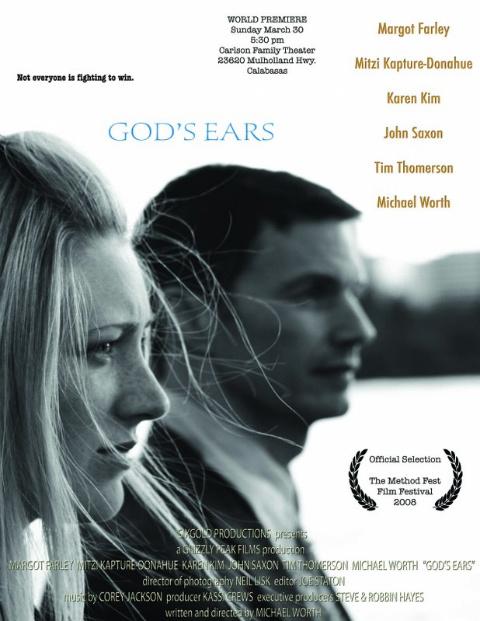
 Some of the supporters who attended were: Dolph Lundgren, John Saxon, Adrienne Barbeau, Cerina Vincent, Margot Farley, Karen Kim, Tim Thomerson, Dominc Daniel, Kassi Crews, Alex Ballar, Steve Mason, Alley & Orson Bean, Frank Cassavetes, Kaitlin Cullum, Tim Abell, Lyndie Denier, Leeann Tweeden, Tammy Klein, Bibi Amos, David & Max Tadmin, NCIS Executive Producer Chas Floyd Johnson, Producer David Foster, Director Dennis Smith, Stan Carlson from Actors West, Sony’s Kimberly Cullum, Yoni Liebling (CAA), Ellie Wen (CAA), etc…


 After over an hour on the phone, I can no longer say I'm a fan of Steven R. Monroe's films... I'm now a fan of HIS. Not only is he a fantastic filmmaker, he is one of the most down to earth people I've ever had the pleasure to talk with.
  Admittedly, I'm not a fan of remakes, they're either poorly done by directors and actors who are just looking for a paycheck or they're just taken in a completely different direction in which case, to me anyway, they shouldn't be called a remake. Steven, also not a big fan of remakes, stuck close to the story line of I Spit and did so with grace and elegance. He's taken a lot of shit from a lot of people who want to attack his character (which pisses me off) regarding the film but he also realizes what he signed on for when he made the decision to do it. He handles the criticism like a pro and says that he only wishes people would do their research before busting out a review or slamming him personally.
  We also discussed in detail his work on the SyFy originals. His most recent work, Jabberwocky is done filming and they are in the process now of adding the CG to it. As far as an air date, all he could tell me was some time in the Fall 2011. Jabberwocky stars Tahmoh Penikett, Michael Worth, Kacey Barnfield and Raffaello Degruttola and chronicles the story of a young squire along with his brother must become a warrior to save his people and the woman he loves after a horrific beast is unleashed on the Kingdom.


 Although I may have failed at bringing you this interview, rest assured that Steven will never let you down. He's proven that he can take even the meekest of scripts and give it new life with his direction. He cares about his fans and wants nothing more than to please them, you, us, visually. Personally, I haven't watched any of his work and thought "Man this is shit,". He works hard at what he does and stands behind what he does 100%. He'll let the haters keep on hating and he'll just keep doing what he's doing. Why not? He ROCKS at it!
